Essential Tips for Choosing House Windows Wisely?
Choosing the right house windows is crucial for both aesthetics and functionality. With numerous styles, materials, and features available, the process can become overwhelming. You want windows that enhance your home's appearance while offering durability and energy efficiency. It’s essential to think about your local climate, energy costs, and how windows can improve insulation.
A well-chosen window can significantly impact your comfort and energy bills. Consulting experts can help, but it's also valuable to reflect on personal preferences. Sometimes, homeowners prioritize style over function. This can lead to issues in the long run. Selecting the wrong type of house windows can result in drafts and increased heating costs.
In the end, wise decisions come from balancing personal taste and practical requirements. Thinking about how each element influences your living environment is crucial. Don't rush this important choice; consider how your windows will serve you for years to come. Making the right choices in house windows starts with understanding your needs and the options available.
Types of House Windows: Understanding Your Options
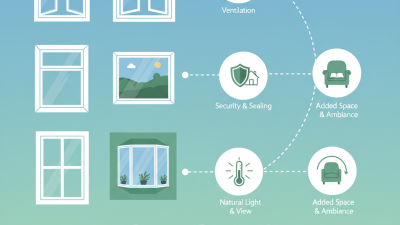
When choosing house windows, understanding the various types available is crucial. One common option is double-hung windows. They offer versatility, allowing both sashes to open. This provides good ventilation and easy cleaning. However, they can sometimes be tricky to maintain if not installed correctly.
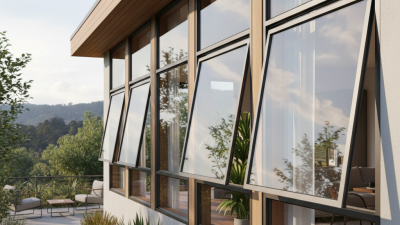
Another popular choice is casement windows. These windows open outward with a crank. They are great for capturing breezes. Yet, they may be more vulnerable to wind damage if not properly secured. Consider where your house is located. Areas with high winds may not be ideal for casement style.
Sliding windows are also worth mentioning. They are easy to operate and can fit well in smaller spaces. But they might lack the energy efficiency of other styles. It's essential to weigh the pros and cons of each type. Not every style suits all homes. Reflect on your choices; they impact your home's look and efficiency.
Factors to Consider When Selecting House Windows
When selecting house windows, several factors come into play. One key consideration is the material. Choices typically include wood, vinyl, and fiberglass. Each has its own pros and cons. For instance, while wood offers aesthetic appeal, it often requires more maintenance. Vinyl can be low-maintenance but may not provide the same level of insulation.
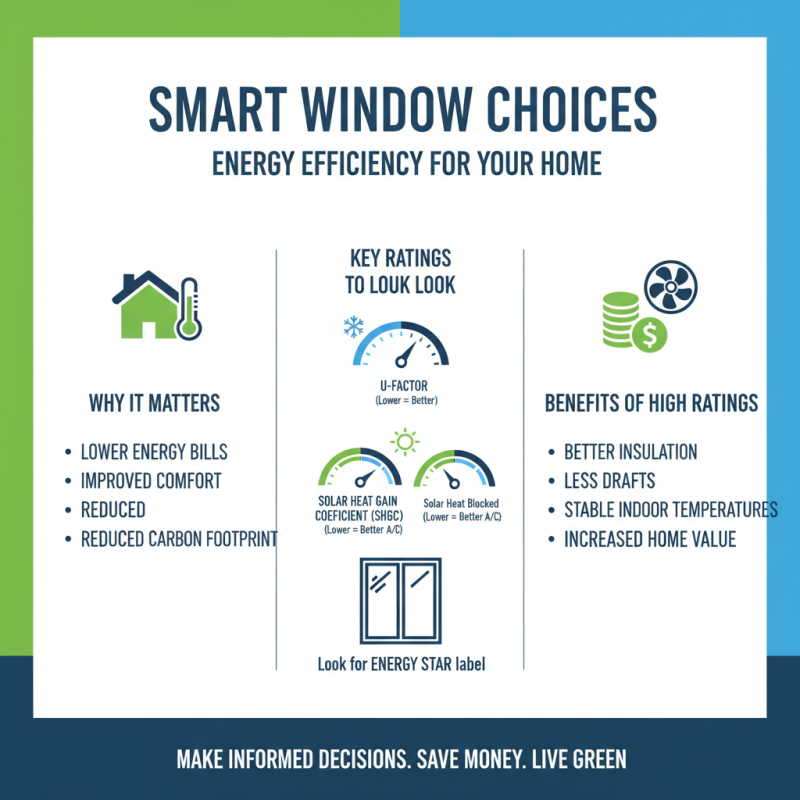
Another important factor is energy efficiency. Look for windows with high energy ratings. They can reduce heating and cooling costs significantly. Double or triple-pane windows are often more effective than single-pane options. They provide better insulation and can help keep your home comfortable.
Additionally, pay attention to the size and style of the windows. A poorly sized window can affect the room's natural light and airflow. Consider the architectural style of your home, too. The wrong window can clash with the overall design. It's a common mistake to overlook these details, leading to future regrets. Reflecting on your choices now can save you time and energy later.
Aesthetic Appeal: Choosing Window Styles That Suit Your Home
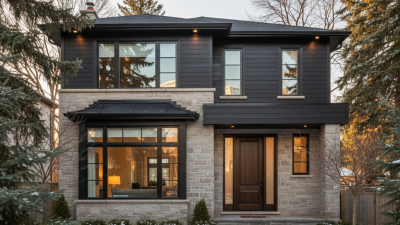
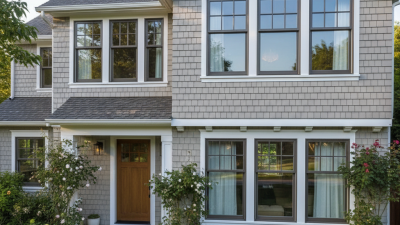
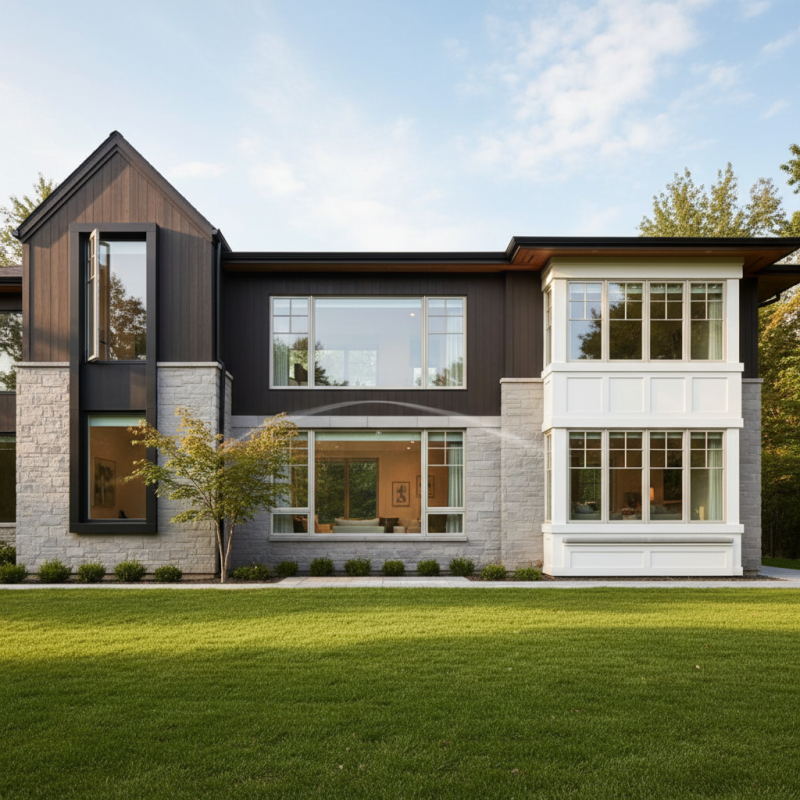
Choosing the right window styles can enhance your home’s aesthetic appeal significantly. Windows are not just functional; they are a key feature of your property's façade. When selecting window styles, consider the architectural style of your home. A modern home may benefit from sleek, clean lines, while a traditional house might look fantastic with divided lites and ornate trim.
Pay attention to the colors and materials too. Wood adds warmth, while fiberglass offers durability. Don't forget to evaluate the size of the windows. Larger windows create a more open feel, but they might not suit smaller homes. Striking a balance can be challenging. Reflect on what you truly want.
Tips: Always visualize how different window styles will look in your space. Consider how they will blend with your existing design. Also, consult with others for feedback. Sometimes, our vision may differ from what suits the overall look of the house. Experiment with samples to find the perfect balance. The right choice can elevate your home's charm and personality, making it feel more inviting.
Cost vs. Quality: Making Budget-Friendly Choices in Window Selection
When choosing windows for your home, balancing cost and quality is key. A well-designed window can enhance energy efficiency and protect against the elements. However, many homeowners face budget constraints. It's important to evaluate what you truly need.
Set a specific budget. Understand how much you can allocate for windows. This helps avoid overspending on unnecessary features. Research different window materials. Vinyl, wood, and aluminum all have their pros and cons. Opting for vinyl may save you money upfront, but wood can offer better insulation. Weigh these factors carefully.
Consider long-term costs versus short-term savings. Investing in higher-quality windows now could reduce your energy bills later. Look for energy-efficient options. They are a bit pricier but can lead to lower utility costs over time. Sometimes, the cheapest option may not be the best in the long run. Reflect on your choices and think about future implications.