How to Optimize Home Windows for Energy Efficiency
When it comes to optimizing home windows for energy efficiency, professionals emphasize the importance of proper installation and material selection. According to James McKinney, a window design expert, "Every window choice can significantly affect energy consumption." This highlights how crucial home windows are in regulating indoor temperatures and reducing utility bills.
Many homeowners overlook their windows as a key factor in energy efficiency. Poorly sealed or outdated windows can lead to substantial heat loss. This not only affects comfort but also increases energy costs over time. Home windows need attention to detail. Factors like type, frame material, and glazing options matter greatly.
Efforts to improve energy efficiency often fall short without addressing windows. Many still use single-pane glass, which offers minimal insulation. Investing in double or triple-glazed windows can seem daunting. Yet, the benefits of enhanced insulation and reduced energy consumption are undeniable. Every homeowner must reflect on their specific needs and the potential changes their home windows can bring.
Choosing the Right Energy-Efficient Window Materials
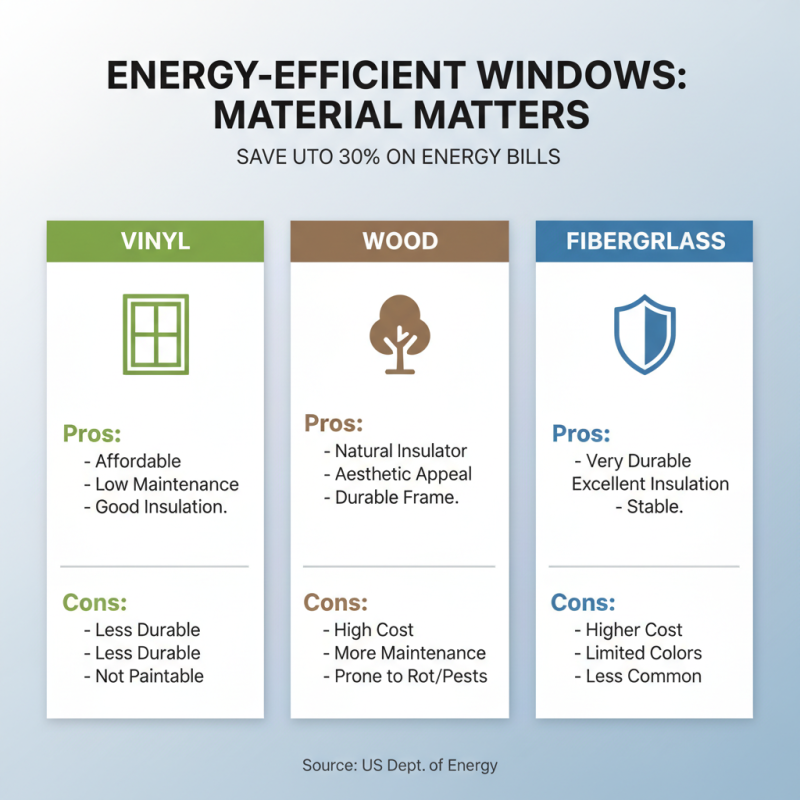
Choosing the right materials for energy-efficient windows is crucial for optimizing home energy use. According to the U.S. Department of Energy, the right windows can save homeowners up to 30% on energy bills. Common materials include vinyl, wood, and fiberglass. Each has its own benefits and drawbacks.
Vinyl windows are popular due to their affordability and low maintenance. However, they may not be as durable as wood or fiberglass. Wood offers great insulation and a classic look, but requires regular upkeep to prevent rot. Fiberglass is strong and energy-efficient, yet more expensive. Homeowners must weigh initial costs against long-term savings.
Moreover, glass type matters. Double-glazing can significantly reduce heat loss. The Energy Information Administration states that replacing single-pane windows with double-glazed ones can cut energy costs by 10-25%. Some might overlook window placement and orientation, which also influences efficiency. Poor choices can lead to increased heating and cooling needs. Thus, selecting the right materials and considering placement is essential for enhancing energy efficiency.
Understanding Window Ratings and Energy Performance Metrics
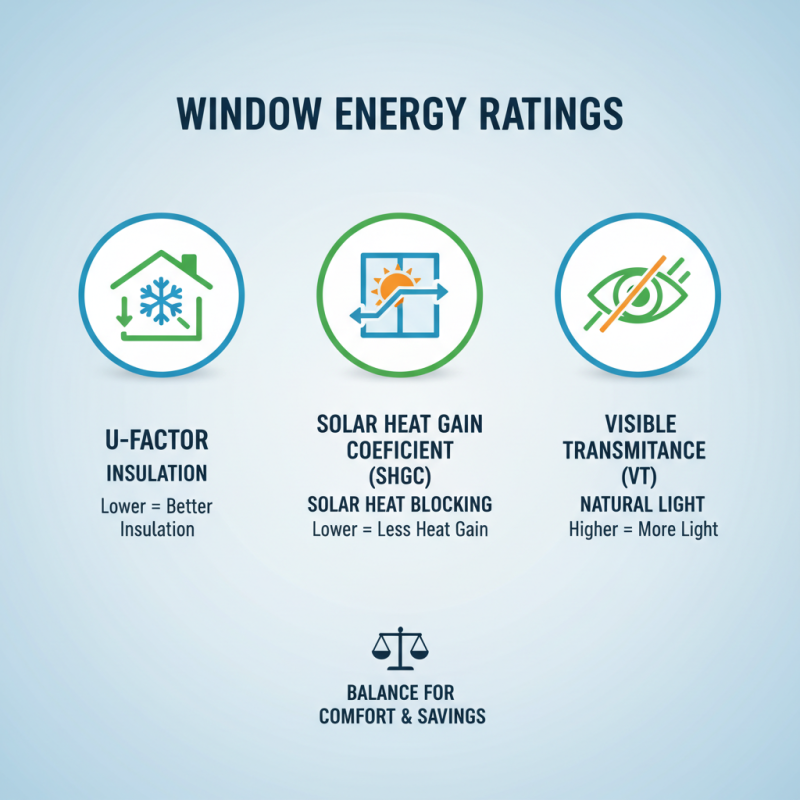
When optimizing home windows for energy efficiency, understanding window ratings is essential. Common metrics include U-factor, Solar Heat Gain Coefficient (SHGC), and Visible Transmittance (VT). The U-factor measures insulation effectiveness. A lower value means better insulation. SHGC indicates how much solar heat enters through the window. A lower SHGC can reduce cooling costs during hot months. VT shows how much natural light passes through. Balancing these metrics is vital for comfort and energy savings.
Choosing windows based on these ratings can be tricky. Not all homes benefit from the same type of window. In colder climates, a window with a low U-factor is crucial. In contrast, hot areas might need high SHGC ratings for energy use reduction. Sometimes, it feels overwhelming. Homeowners often overlook specific combinations that work best for their unique situation. Relying solely on ratings can mislead if installation is poor or the windows don’t fit well. Reflecting on these details is key to making better choices.
Sealing and Weatherproofing for Improved Insulation
Sealing and weatherproofing your home windows is crucial for energy efficiency. Cold drafts can enter through small gaps. These gaps lead to wasted energy and higher bills. Proper insulation keeps your home comfortable year-round.
Start by examining the window frames closely. Look for cracks or gaps around the edges. Use caulk to seal these areas. This simple step can dramatically reduce air leaks. For added protection, consider installing weather stripping. It can easily be added to the bottom of windows. This helps to block drafts effectively.
Tips: Check the windows regularly for signs of wear. Replace any damaged weather stripping immediately. Even small gaps can lead to significant energy loss. Use a smoke pencil to detect drafts. This tool highlights areas needing attention. By sealing these leaks, you can maintain a more stable indoor temperature.
Utilizing Window Treatments for Enhanced Energy Conservation
Optimization of home windows plays a crucial role in energy efficiency. Window treatments can enhance energy conservation significantly. According to the U.S. Department of Energy, properly installed window treatments can reduce energy loss by up to 30%. This is substantial when considering heating and cooling costs.
There are various types of window treatments to consider. Shades and blinds can block sunlight, reducing heat gain in summer. Drapes made from thick fabric also help insulate during colder months. However, it is essential to choose the right style for your home. Not all treatments provide the same level of protection.
Tip: Use reflective window films. They can deflect up to 80% of the sun’s heat. It’s a cost-effective solution that many overlook. Also, consider adjustable blinds. They allow you to control the light while keeping energy use in check. Remember, poorly executed installation can negate benefits. Regular maintenance is crucial for optimal performance. Ensure that treatments are well-fitted and cleaned. Neglect can lead to inefficient energy use.
Proper Installation Techniques to Maximize Energy Efficiency
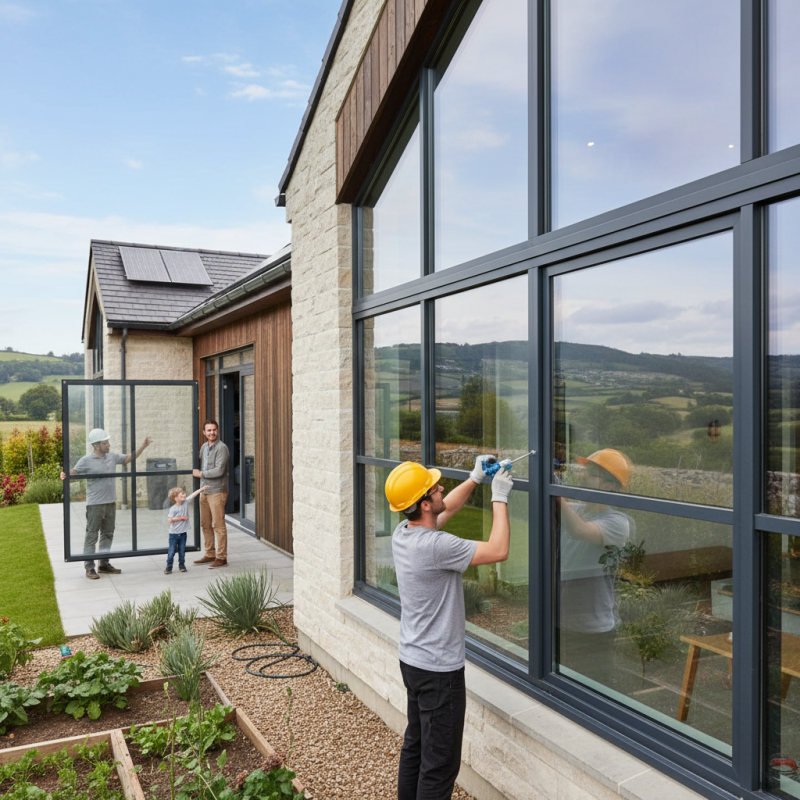
When installing home windows, proper techniques are crucial for energy efficiency. Start with accurate measurements. An ill-fitting window can create drafts that waste energy. Make sure the frame is square and level. A misaligned window may look fine, but it can lead to air leaks. This often requires adjustments that homeowners may overlook.
Insulation plays a significant role in optimizing performance. Use expanding foam sealant around the edges to fill gaps. This solution is often messy, but it’s a necessary step. Caulking is another option for added protection. Pay attention to corners; they are typical weak spots. Check for any leaks after installation. A simple test can reveal hidden issues.
Additionally, consider the purpose of your windows. South-facing windows can welcome the sun's warmth in winter but may need shades in summer. Choose materials that enhance insulation without compromising aesthetics. Sometimes, a beautiful window can be less efficient. Balancing style and efficiency is not easy. Reflecting on these choices is vital for a truly optimized home.
How to Optimize Home Windows for Energy Efficiency
| Window Type |
Energy Efficiency Rating (U-Value) |
Frame Material |
Installation Technique |
Estimated Annual Savings ($) |
| Double Glazed |
0.29 |
Vinyl |
Proper Caulking and Sealing |
$200 |
| Triple Glazed |
0.20 |
Fiberglass |
Foam Insulation Around Frame |
$300 |
| Low-E Glass |
0.25 |
Aluminum |
Correct Flashing Installation |
$250 |
| Energy Star Rated |
0.22 |
Composite |
Precision Leveling |
$280 |