Top Home Windows Types for Every Style and Budget?
When selecting home windows, style and budget play crucial roles. The right windows can enhance your home's appearance and energy efficiency. There are various types of home windows available, each suited for different preferences and needs.
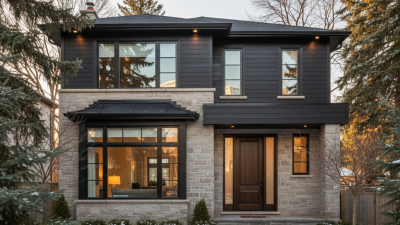
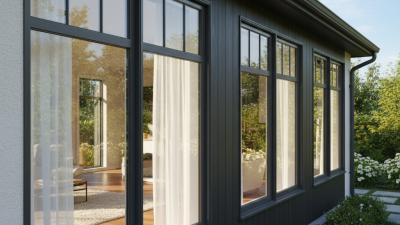
Consider your home's architecture when choosing windows. For modern designs, sleek and minimalistic windows may be ideal. In contrast, traditional homes might benefit from classic double-hung or casement windows. Each type has its own pros and cons.
Home windows not only impact the overall look but also how light and air flow into your space. It's essential to reflect on your priorities. Energy efficiency, maintenance, and cost should guide your decisions. Sometimes, what seems affordable might require more upkeep. Making the right choice can be challenging but rewarding.
Types of Windows: An Overview of Common Styles and Designs
When choosing windows, style and practicality matter. There are several common types of windows. Each offers unique benefits and drawbacks. Double-hung windows are popular for their classic look. Their design allows for versatility in ventilation. They consist of two sashes that slide up and down.
Casement windows open outward, offering great airflow. They're easy to operate with a crank. This design can provide unobstructed views too. According to the American Architectural Manufacturers Association, casement windows account for 15% of all residential windows sold. Yet, proper maintenance is essential to avoid weather-related issues.
Sliding windows are space-efficient. They glide horizontally, making them ideal for smaller rooms. However, they can be harder to clean. Also, the seals might wear, leading to drafts. Picture windows, with their expansive glass, maximize natural light. They can be stunning but lack ventilative properties. A balance between style and function is crucial. Each window type brings its own charm, but they're not without limitations. Careful consideration is necessary to fit your home’s needs and budget.
Budget-Friendly Window Options for Every Home
When considering budget-friendly window options, it's important to evaluate various materials.
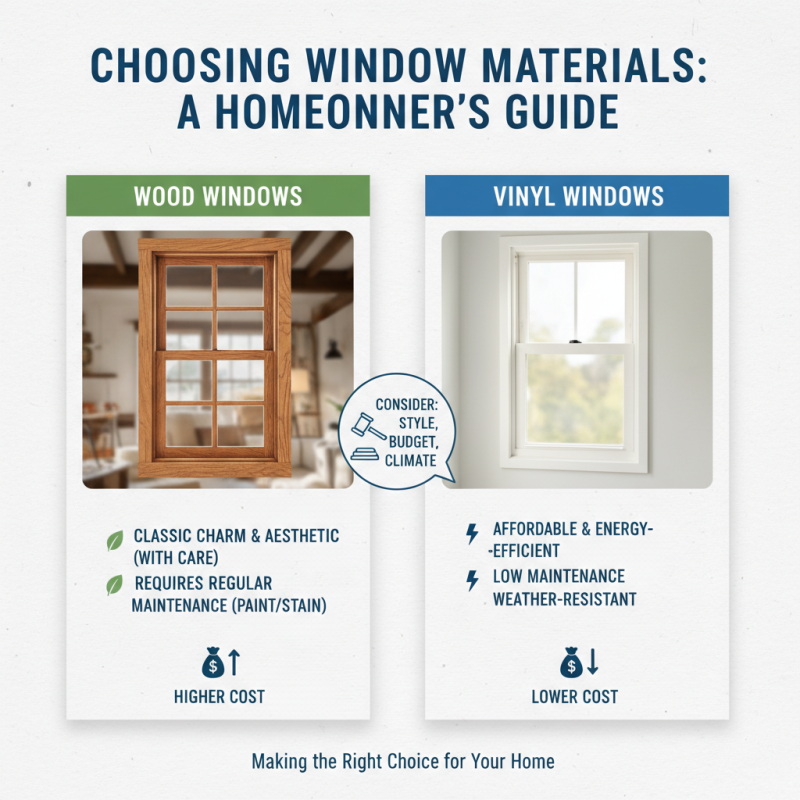
Vinyl windows are a popular choice. They are cost-effective and offer good durability.
According to recent industry reports, vinyl windows can save homeowners up to 30% on energy bills.
This is a significant advantage for those looking to cut down on costs.
Another option is aluminum windows. They are lightweight and require minimal maintenance.
However, they tend to be less energy-efficient than vinyl. Some materials may not perform well in extreme weather.
This could lead to increased energy consumption. Homeowners should weigh the benefits carefully.
Wooden windows offer classic appeal. They can enhance aesthetics but come with higher maintenance costs.
Reports indicate that untreated wooden windows may have a lifespan of about 15 years.
In contrast, fiberglass windows are a robust choice.
They resist warping, but they usually carry a higher price tag.
The disparity in costs and lifespan can make decision-making challenging.
Energy-Efficient Windows: Styles That Save You Money
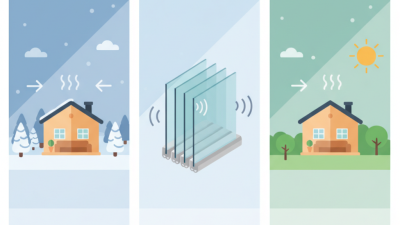
Energy-efficient windows are more than just a trend; they are a wise investment for homeowners. According to the U.S. Department of Energy, energy-efficient windows can reduce energy bills by 7% to 15%. This means significant savings over time, especially in regions with extreme weather conditions. The initial cost may be higher, but the long-term benefits are undeniable.
There are various styles and materials that cater to different aesthetics and budgets. Double-paned windows, for example, provide excellent insulation. Low-E glass offers a protective coating that reflects heat, keeping homes cool in summer and warm in winter. These features not only contribute to a comfortable living space but also lower heating and cooling costs.
However, it’s essential to consider the potential pitfalls. Not all energy-efficient windows are created equal. Some may not deliver the promised savings. Homeowners should look for certifications like ENERGY STAR to ensure they are making informed choices. Installation quality also plays a critical role in performance. Poor installation can lead to air leaks and defeating the purpose of energy-efficient designs.
Custom and Specialty Windows for Unique Architectural Needs
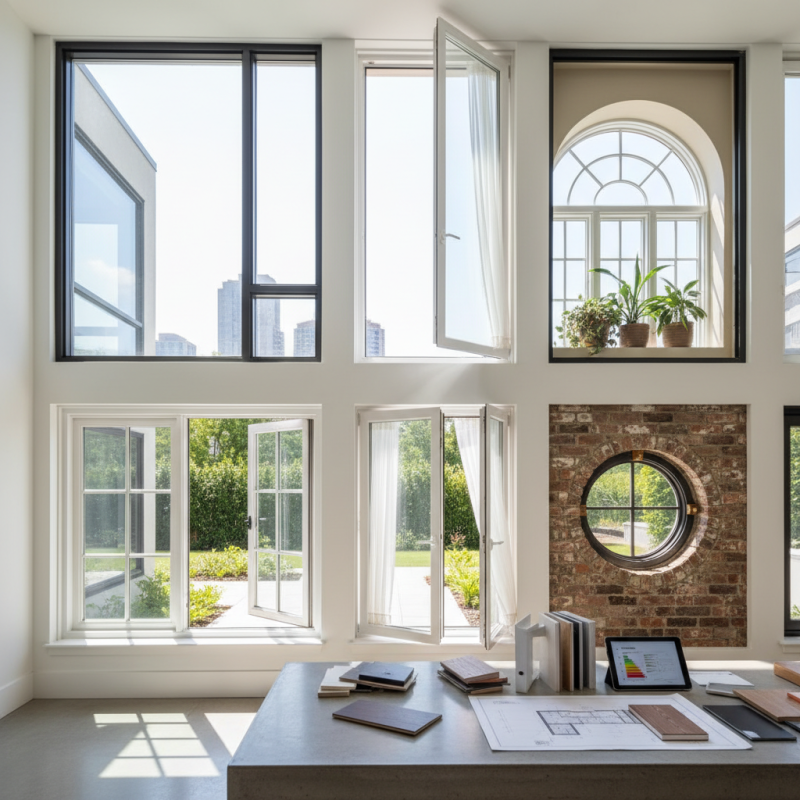
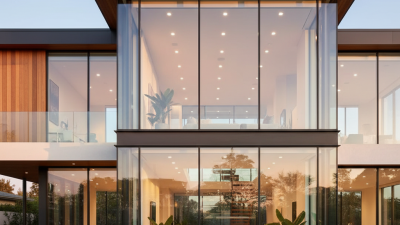
When considering custom and specialty windows, focus on the unique needs of your architecture. Different styles call for different window shapes and sizes. For example, a modern home might benefit from large, sleek picture windows. Conversely, a quaint cottage may look best with charming, multi-paned designs.
Tips: When planning your windows, remember to factor in the surrounding scenery. Aligning window placement with outdoor views enhances the overall aesthetic. If a view isn't ideal, think about frosted or textured glass to maintain privacy.
Always take your home's style into account. Custom windows can be pricey but may pay off in curb appeal. However, do not overlook smaller details like trim and material. They can drastically affect the final look. Reflect on your choices. Sometimes simple designs work better than elaborate ones.
Tips: Measure twice to ensure a perfect fit. Poor measurements can lead to costly rework. Consider local climate factors. Different materials perform better in varying weather conditions.
Top Home Windows Types for Every Style and Budget
| Window Type |
Style |
Materials |
Price Range |
Best for |
| Double-Hung |
Traditional |
Vinyl, Wood |
$300 - $700 |
Classic Homes |
| Casement |
Modern |
Aluminum, Vinyl |
$400 - $900 |
Contemporary Homes |
| Sliding |
Transitional |
Vinyl, Fiberglass |
$350 - $800 |
Patio or Deck |
| Picture |
Contemporary |
Glass, Vinyl |
$500 - $1,200 |
Scenic Views |
| Bay & Bow |
Traditional |
Wood, Vinyl |
$1,000 - $2,500 |
Living Rooms |