How to Choose Triple Glazed Windows for Maximum Efficiency?
Choosing the right windows can significantly impact your home's energy efficiency. Triple glazed windows are gaining attention for their insulation properties. According to Dr. Sarah Bennett, a renowned specialist in building energy efficiency, "Investing in triple glazed windows can reduce heating costs and enhance comfort."
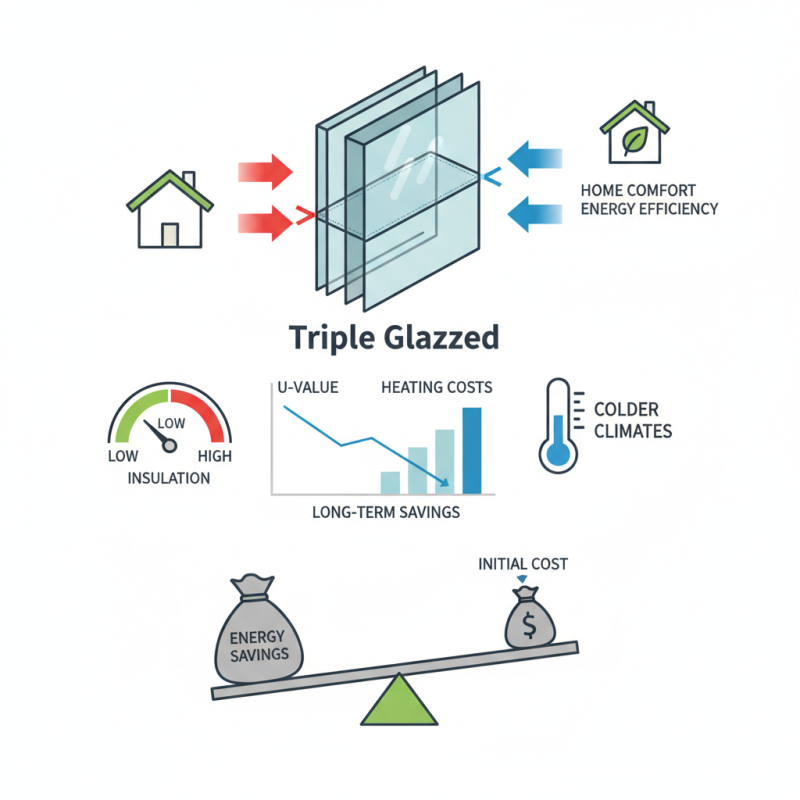
These windows are designed with three layers of glass. This construction provides better thermal performance compared to double glazed options. However, some homeowners may overlook the weight and cost associated with triple glazed windows. It's crucial to balance energy savings with your budget.
Understanding the specifications is key. For instance, look for the U-value, which measures insulation efficiency. High-performance triple glazed windows can have a U-value as low as 0.8. While the initial investment might be higher, the long-term savings can outweigh these costs. Consider your climate, as well. In colder areas, the benefits of triple glazed windows are more pronounced.
Understanding Triple Glazed Windows and Their Benefits
Triple glazed windows have gained popularity due to their energy efficiency. This type of window consists of three panes of glass separated by insulating gas. According to research from the U.S. Department of Energy, they can reduce heat loss by up to 50% when compared to single-glazed windows. This remarkable efficiency is especially evident in colder climates where heating costs can be exorbitant.
In addition to improved insulation, triple glazed windows provide enhanced soundproofing. Studies indicate that they can significantly diminish outdoor noise, offering a quieter indoor environment. This can be particularly beneficial in urban areas or near highways. However, the initial cost of installation can be higher than double or single glazed options. Homeowners should weigh this investment against potential long-term savings on energy bills.
Despite their advantages, triple glazed windows may require a more robust frame due to their weight. This can lead to higher construction costs. Some people find aesthetics less appealing because of the thicker profile. It’s essential to consider both functional and visual aspects when selecting windows for your home. Making an informed choice is key to maximizing performance and satisfaction.
Energy Efficiency Ratings of Triple Glazed Windows by U-Value
This bar chart illustrates the U-Value, which measures the energy efficiency of different types of glazing. Lower U-Values indicate better insulation properties, making triple glazed windows the most efficient option compared to double and single glazed windows.
Key Features of Triple Glazed Windows for Energy Efficiency
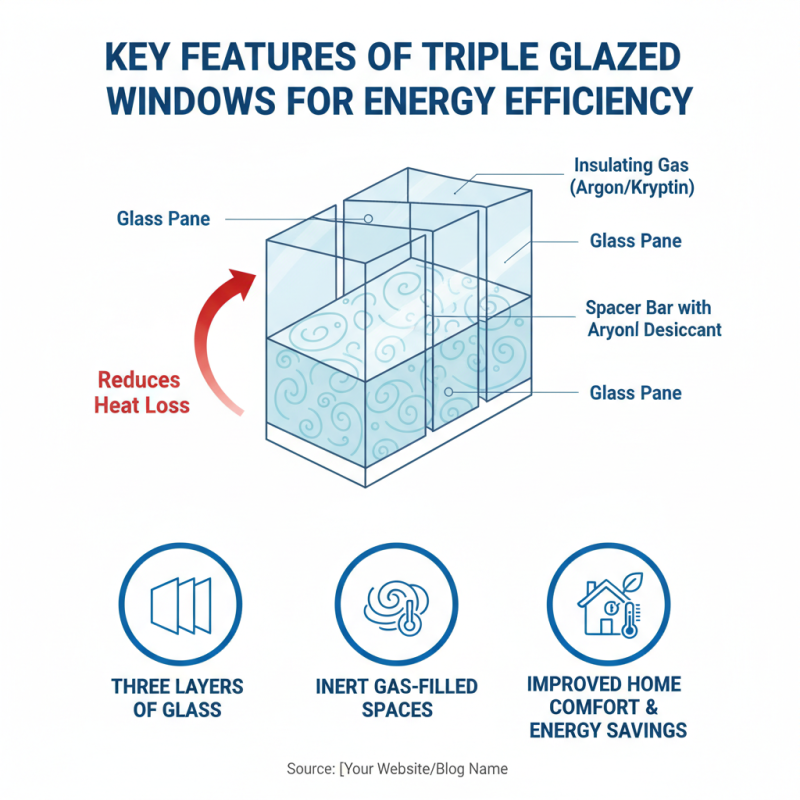
When considering triple glazed windows, focus on their key features to ensure maximum energy efficiency. Triple glazing involves three layers of glass, separated by insulating spaces filled with inert gases. This design significantly reduces heat loss, making homes more comfortable and energy-efficient.
Look for low-emissivity (low-E) coatings on the glass. These coatings reflect heat while allowing sunlight in. They are crucial for maintaining desired indoor temperatures. Spacers between the glass panes can affect performance as well. High-quality spacers prevent thermal bridging, further enhancing insulation.
Don’t overlook frame materials. Wooden frames are aesthetically pleasing but may require more upkeep. Conversely, PVC and aluminum frames offer durability and lower maintenance. Consider these trade-offs carefully. Reflect on the upfront costs versus long-term savings. Triple glazed windows bring substantial benefits, but thorough research is essential. Selecting the right features ensures you make a wise investment.
Selecting the Right Frame Material for Triple Glazed Windows
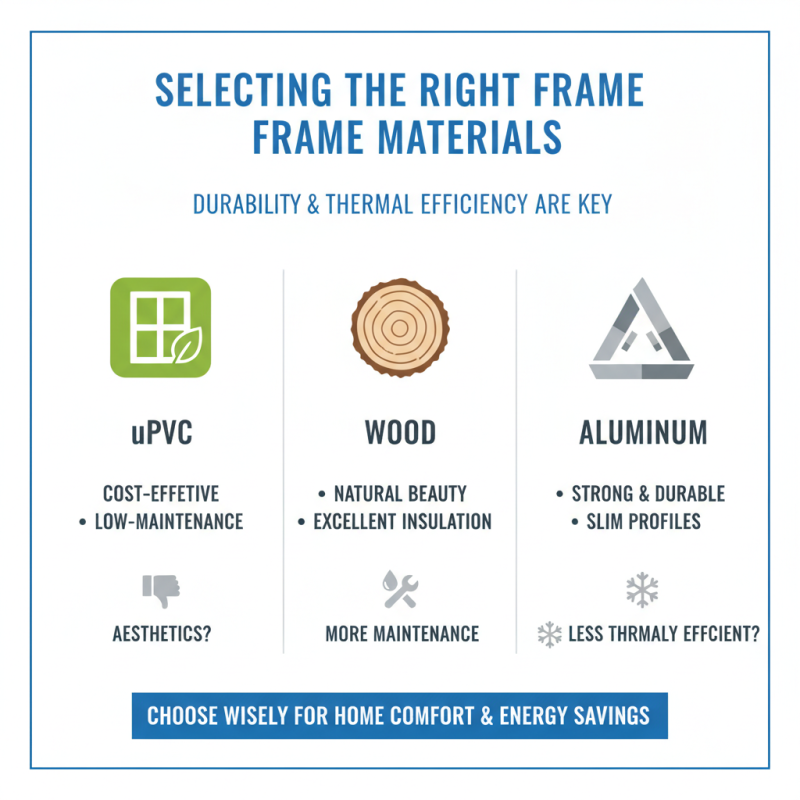
When selecting the right frame material for triple glazed windows, consider durability and thermal efficiency. Popular choices include uPVC, wood, and aluminum. Each material offers unique advantages and drawbacks. uPVC is cost-effective and low maintenance. However, it may lack aesthetic appeal for some homeowners.
Wood frames provide natural insulation but require regular upkeep. Over time, they can warp or rot if not properly maintained. Aluminum frames are sleek and strong but may need thermal breaks to improve energy efficiency. This aspect can create challenges with condensation.
Think about your local climate when choosing frame materials. Hot or humid conditions may influence your decision. Also, weigh the long-term costs against initial investments. Balancing these factors ensures you make an informed choice for energy-efficient windows.
Evaluating U-Value and Solar Gain for Optimal Performance
When selecting triple glazed windows, understanding U-value and solar gain is essential. The U-value measures insulation efficiency. Lower U-values indicate better insulation performance. According to the National Fenestration Rating Council (NFRC), a U-value of 0.15 or lower is ideal for energy-efficient homes. This level significantly reduces heat loss during winter, ultimately lowering energy bills.
Solar gain also plays a critical role. This rate indicates how much solar heat is transferred through windows. Windows with high solar gain can be beneficial in colder climates, helping to warm a home naturally. However, in warmer areas, too much solar heat can lead to energy costs rising for cooling systems. A balanced approach is necessary for optimal performance.
Consider these tips: Opt for low-E (emissivity) coatings that reflect heat but allow light to pass. Look into frames that minimize thermal bridging, which can compromise energy efficiency. Always consult with certified energy assessors to evaluate specific home needs. Remember, investing in high-performance windows means assessing both U-values and solar gains for real-world efficiency. Decisions should reflect your climate, energy goals, and long-term sustainability.
How to Choose Triple Glazed Windows for Maximum Efficiency? - Evaluating U-Value and Solar Gain for Optimal Performance
| Window Type |
U-Value (W/m²K) |
Solar Gain (g-value) |
Total Thickness (mm) |
Frame Material |
| Triple Glazed uPVC |
0.8 |
0.6 |
36 |
uPVC |
| Triple Glazed Aluminum |
1.0 |
0.5 |
45 |
Aluminum |
| Triple Glazed Wood |
0.7 |
0.65 |
38 |
Wood |
| Triple Glazed Composite |
0.9 |
0.55 |
40 |
Composite |
Installation Considerations for Maximizing Triple Glazed Efficiency
Installing triple glazed windows requires careful planning to achieve maximum efficiency. Start by assessing the specific needs of your home. Consider the climate in your area. If you live in a region with extreme temperatures, triple glazed windows can provide excellent insulation. They reduce heat loss significantly. Pay attention to the orientation of your windows as well. South-facing windows can capture heat, while north-facing ones may need extra insulation.
Proper installation is key to ensuring these windows perform at their best. Gaps in the frame can lead to air leaks. Make sure your installation team is experienced in fitting triple glazed windows. They should be familiar with sealing techniques. Using the right materials is crucial. Low-quality caulks and sealants can compromise efficiency. Discuss the importance of a tight fit with your installers to avoid potential issues.
Lastly, think about maintenance. Triple glazed windows can last a long time, but regular checks are essential. Inspect the seals and frames for damage. Make adjustments to prevent deteriorating performance over time. It's easy to overlook these details. Yet, they are vital for preserving energy efficiency and saving on heating costs. A little effort goes a long way.