How to Choose the Best Residential Windows for Your Home?
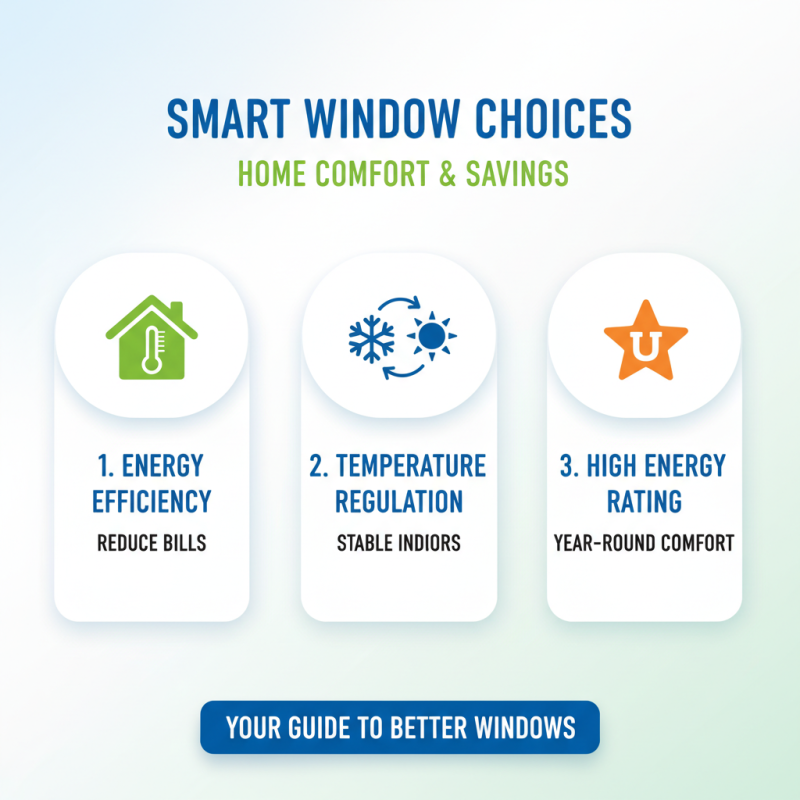
Choosing the best residential windows for your home is crucial. Windows significantly impact energy efficiency, aesthetics, and comfort. According to the U.S. Department of Energy, about 25-30% of a home's heating and cooling energy is lost through windows. This highlights the importance of selecting the right options.
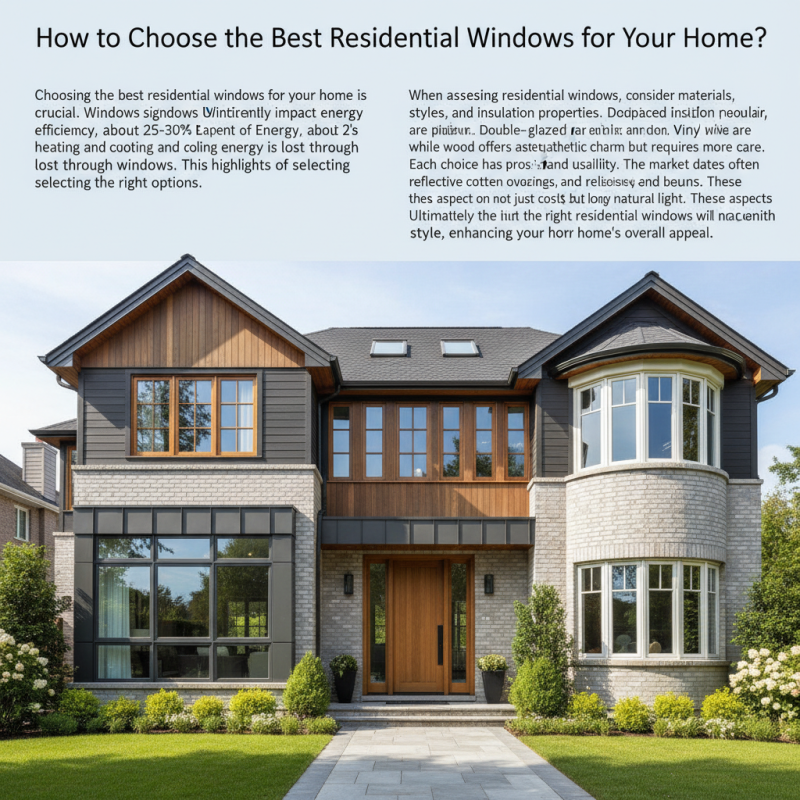
When assessing residential windows, consider materials, styles, and insulation properties. Double-glazed windows are popular due to their enhanced insulation. Vinyl windows are cost-effective and low maintenance, while wood offers aesthetic charm but requires more care. Each choice has pros and cons that reflect on durability and usability.
The market data emphasizes that homeowners often overlook reflective coatings and window placement. These aspects influence energy savings and natural light. Therefore, reflect on not just costs, but long-term benefits. Ultimately, the right residential windows will balance functionality with style, enhancing your home's overall appeal.
Understanding Different Types of Residential Windows Available
When choosing residential windows, understanding the different types available is crucial. Casement windows open outward, providing excellent ventilation. They can be difficult to clean from the inside, requiring some planning. These windows often offer a modern look, but they may not suit traditional home designs.
Double-hung windows are popular for their versatility. They have two operable sashes that slide up and down. This allows for easy cleaning and airflow control. However, their maintenance can be a challenge over time. Some homeowners find that the tracks gather dust and dirt rather quickly.
Sliding windows are another option. They are easy to operate and save space. But, they may not provide the same aesthetic appeal as other styles. Additionally, they might not offer the best insulation. Each type has its pros and cons, making careful consideration necessary for your home. Take time to reflect on what best suits your needs and taste.
Comparison of Different Types of Residential Windows
This chart illustrates the most common types of residential windows along with their popularity based on recent surveys. The data reflects the percentage of homeowners preferring each window type, highlighting trends in home improvement choices.
Comparing Energy Efficiency Ratings in Residential Windows
When considering residential windows, energy efficiency is a crucial factor. The National Fenestration Rating Council (NFRC) provides a standardized rating system. This helps homeowners compare the energy efficiency of different window options.
Windows are evaluated on U-factor, solar heat gain coefficient, and visible transmittance. Lower U-factors indicate better insulation. For example, a window with a U-factor of 0.30 can significantly reduce heating costs over time.
In a recent study, replacing old single-pane windows with ENERGY STAR® rated windows can save homeowners an average of $500 a year on energy bills. The most efficient windows may have a rating of 0.20 or lower. However, many homeowners struggle with initial costs. They often overlook long-term savings.
Investing in energy-efficient windows can yield substantial financial rewards. Yet, the upfront price may discourage some buyers.
The importance of local climate cannot be ignored. In colder regions, windows that minimize heat loss should be prioritized. In warmer climates, those that reduce heat gain are beneficial.
Homeowners must evaluate personal needs and local conditions carefully. It's vital to understand that energy ratings are just one part of the decision-making process. Balancing aesthetics, price, and functionality are equally important.
Assessing Aesthetics and Style Options for Your Home’s Windows
When selecting residential windows, aesthetics and style are crucial. Windows can dramatically influence the overall look of your home. Consider various designs like casement, double-hung, or sliding windows. Each style offers distinct pros and cons. For instance, casement windows can provide better ventilation but may require more maintenance.
Color is another important factor. A classic white might suit traditional homes, while bold colors work well with modern designs. However, choosing a unique color can be risky. You may love it today, but could tire of it later. Textured glass can also add depth and character to your windows.
Don’t forget to match your windows to your home's architecture. A mismatch can detract from the beauty of your house. Take time to visualize how different options fit together. Sometimes, spending extra time on this decision leads to better results. After all, windows are not just functional; they are a key aspect of your home’s personality.
How to Choose the Best Residential Windows for Your Home? - Assessing Aesthetics and Style Options for Your Home’s Windows
| Window Style |
Material |
Energy Efficiency Rating |
Aesthetic Appeal |
Price Range |
| Double-Hung |
Vinyl |
A |
Classic |
$300 - $600 |
| Casement |
Aluminum |
A+ |
Modern |
$400 - $700 |
| Sliding |
Vinyl |
B |
Contemporary |
$250 - $500 |
| Bay |
Wood |
B+ |
Elegant |
$800 - $1,500 |
| Picture |
Fiberglass |
A++ |
Sleek |
$500 - $1,000 |
Evaluating Costs and Budgets for Window Replacement or Installation
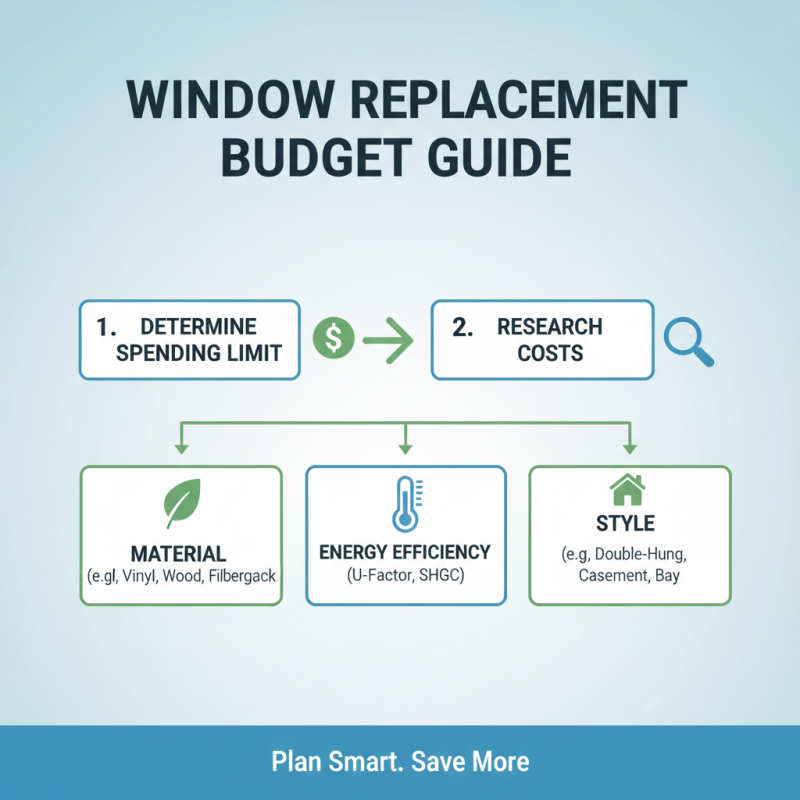
When considering window replacement, budget evaluation is crucial. Begin by determining your overall spending limit. This will guide your decisions. The cost of windows can vary widely. Factors like material, energy efficiency, and style play significant roles.
Tips: Research the average costs in your area. Look for local suppliers or contractors. Their pricing may differ significantly. Don't overlook the hidden costs. Installation fees and permits can add up. Always leave room in your budget for unexpected expenses.
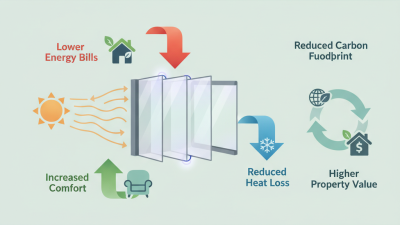
Also consider long-term savings. Energy-efficient windows may have a higher upfront cost but can lower your utility bills. These savings can offset the initial investment over time. Remember, durability matters too. Cheaper windows might need replacements sooner, leading to more costs later on. Reflect on what you truly need versus what looks appealing.