What Are the Best Affordable Replacement Windows from China?

Choosing affordable replacement windows from China requires more than comparing unit prices. The real question is performance after installation. The U.S. Department of Energy reports that windows can account for about 25% to 30% of residential heating and cooling energy use. That figure makes glass selection, frame design, and installation quality important. A low quotation may become expensive when air leakage, damaged seals, or poor support appear later.

ENERGY STAR guidance indicates that replacing single-pane windows with certified products can reduce annual heating and cooling costs by roughly 12% to 33%, depending on climate and existing conditions. However, these savings are not guaranteed. They depend on climate zone, window orientation, shading, and installer workmanship. Stephen Selkowitz, a respected building-envelope researcher and former Lawrence Berkeley National Laboratory scientist, has described windows as “the most complex component in the building envelope.” That warning deserves attention. A window is not merely glass in a frame.

This guide examines affordable replacement windows from China through measurable criteria. These include U-factor, solar heat gain coefficient, air leakage, visible transmittance, and water resistance. It also considers NFRC or equivalent testing, ISO-based manufacturing controls, hardware durability, packaging, and warranty terms. Chinese factories can offer strong value, especially with stable production volumes and customized profiles. Yet quality varies widely. Some impressive samples hide weak corners. A careful buyer should request test reports, production photos, reference projects, and independent inspection before ordering. Cost matters. So does the uncomfortable possibility that the cheapest option may be the least affordable over time.
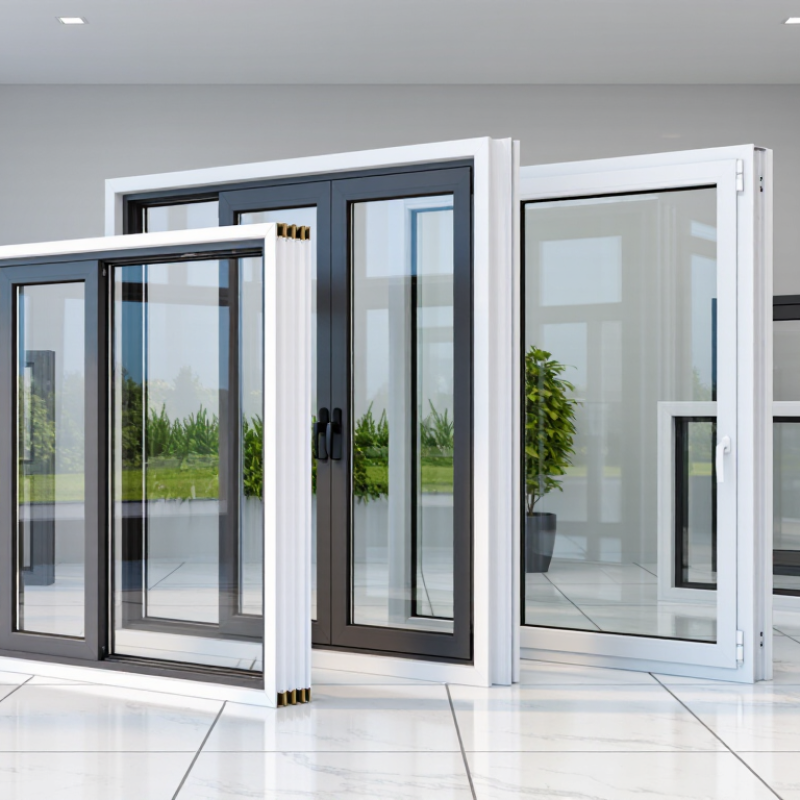
What Are the Best Affordable Replacement Windows from China?

What Makes Chinese Replacement Windows Affordable?

Chinese replacement windows can be affordable because manufacturers often operate at large scale. High-volume production lowers material waste, tooling costs, and labor expenses. Many factories purchase glass, aluminum, hardware, and seals through established regional supply chains. That structure can reduce the factory price without automatically reducing performance. However, low pricing is not proof of quality. It needs evidence.

A reliable quotation should separate window units, glass upgrades, packaging, freight, duties, and installation. This detail exposes costs sometimes hidden in a tempting headline price. For example, double glazing may look inexpensive until shipping adds several hundred dollars. A professional supplier should provide thermal values, air-leakage results, water-resistance data, and material specifications. Independent testing matters more than polished photographs. Ask for reports.

Affordability also comes from standardized sizes and sensible options. A white, thermally broken frame may cost less than a custom color or complex shape. Yet the cheapest configuration may perform poorly in a cold, windy, or humid location. Local building codes, climate, and installation methods must guide the choice. An experienced installer can check wall openings, flashing, drainage, and fastening before ordering. I also request a written warranty and replacement process, not vague promises. One lesson is easy to miss: a modestly priced window can become expensive after rework. Budget carefully, but leave room for mistakes. This process is not perfect.

Which Window Materials, Styles, and Features Are Available?

Affordable replacement windows from China are available in several materials, styles, and performance levels.

Vinyl windows usually offer the lowest purchase cost and require little maintenance.

Aluminum frames look slim and modern, but they can transfer heat unless they include a thermal break.

Fiberglass provides strong weather resistance, although its price is often higher. Wood gives a warmer appearance, yet it needs careful sealing and regular inspection.

Popular styles include sliding, casement, awning, tilt-and-turn, and fixed windows.

Casement units can improve ventilation because their opening catches moving air. Sliding windows save exterior space but may provide weaker seals if the rollers or weatherstripping are poorly made.

Look for double glazing, low-emissivity coatings, argon filling, multipoint locks, and reinforced corners.

These details matter more than a polished catalog image.

Performance labels and independently verified test reports are safer evidence than sales descriptions alone.

Tips:

Request complete size drawings, frame sections, glass specifications, drainage details, and installation instructions.

Compare U-value, air leakage, water resistance, and wind-load results.

Ask whether replacement parts remain available after installation.

Confirm that the design suits your local climate and building requirements.

A cheaper window may become expensive after shipping, adjustments, or damaged hardware.

I would also order a sample unit when possible; small issues, such as a stiff handle or uneven seal, become obvious quickly.

How to Evaluate Chinese Window Manufacturers and Certifications

When comparing affordable replacement windows from China, begin with evidence, not the factory’s catalog. The U.S. Department of Energy estimates that windows can account for 25–30% of household heating and cooling energy use. Ask for tested U-factor, solar heat gain coefficient, air leakage, water resistance, and structural performance. These values should match your climate and wall design.

Certification scope matters. For North American projects, an NFRC label verifies declared thermal ratings, while independent laboratory reports should show test methods and product sizes. Check whether the report covers the exact frame, glass package, spacer, and hardware you will purchase. A general ISO 9001 certificate only indicates a quality-management system. It does not prove window performance. For Chinese production, verify compliance with GB/T 8478 and request records from laboratories accredited through CNAS or recognized ILAC arrangements. European projects may require applicable CE documentation and performance declarations.

Inspect the factory through dated videos, sample units, or an in-person audit. Look for sealed-corner quality, drainage holes, gasket compression, coating consistency, and packaging around glass edges. Request batch traceability and a written warranty covering finish, hardware, seals, and installation responsibilities. The lowest quotation may exclude testing, duty, shipping, or replacement glass. That is where budgets fail. I would also order one performance sample before a full container. It adds time, but photographs cannot reveal air leakage or distorted frames. Certification helps. It never replaces careful installation.

What Costs, Shipping Factors, and Installation Requirements Apply?

What Are the Best Affordable Replacement Windows from China?
What Costs, Shipping Factors, and Installation Requirements Apply?

A low factory quote can be misleading. The final cost includes glazing, hardware, export packing, ocean freight, insurance, customs clearance, port charges, inland delivery, and installation. The U.S. Department of Energy reports that windows can represent 25% to 30% of residential heating and cooling energy use. Therefore, a cheaper frame may cost more over time if its U-factor, air leakage, or solar heat gain performance is weak. The 2024 Cost vs. Value Report places the average U.S. vinyl window replacement project at about $21,264, with an estimated resale value of $14,270. This figure reflects professional installation, not factory pricing.

Shipping needs careful checking. The UNCTAD Review of Maritime Transport 2024 states that ships carry over 80% of global merchandise trade by volume. Freight rates still change with fuel prices, port congestion, container availability, and routing. Ask whether the quote is EXW, FOB, CIF, or delivered to your address. Request carton dimensions, total cubic volume, gross weight, loading photos, and breakage procedures. Windows occupy space quickly. I would keep a 10% to 15% contingency, though this is not a universal rule.

Installation is where savings can disappear. A qualified installer should verify the rough opening, sill condition, drainage path, flashing, insulation, and interior trim. Local codes may require emergency egress sizes, safety glazing, wind-load ratings, and specific thermal values. NFRC labeling helps compare U-factor and SHGC consistently. The glass is not the difficult part. Poor measurements are. I have seen attractive quotations fail because replacement units did not match existing openings, forcing expensive site alterations.

How to Choose the Best Affordable Replacement Windows from China

Choosing affordable replacement windows from China requires more than comparing frame prices. Start with verified performance data. The U.S. Department of Energy reports that windows can account for 25–30% of residential heating and cooling energy use. Ask suppliers for tested U-factor, solar heat gain coefficient, visible transmittance, and air-leakage results. Lower U-factor usually means better insulation. SHGC should match your climate and window direction.

Look for reports issued by accredited laboratories, not only factory brochures. NFRC explains that certified ratings allow fair product comparisons under consistent conditions. For coastal or rainy areas, request water-penetration testing, such as ASTM E331. Structural testing under ASTM E330 also matters for large units and windy locations. Check glazing details carefully. Double glazing, low-emissivity coating, warm-edge spacers, and inert-gas filling can improve comfort, but poor seals may reduce those benefits over time.

The cheapest quotation is not always affordable. Ask about frame reinforcement, hardware cycles, glass thickness, packaging, replacement parts, and warranty procedures. A supplier should provide installation drawings and sample corner sections. I would also confirm factory quality records and inspect a production sample before placing a large order. My checklist is not perfect. Local installation can still undermine excellent glass. ENERGY STAR guidance repeatedly emphasizes whole-window performance, not glass alone. Compare delivered cost, testing evidence, climate suitability, and after-sales support. Price comes last.

What Are the Best Affordable Replacement Windows from China? - How to Choose the Best Affordable Replacement Windows from China

Evaluation Dimension Recommended Affordable Specification Why It Matters How to Verify Before Purchase
Frame Material Multi-chamber uPVC or thermally broken aluminum uPVC generally provides good insulation at a lower cost, while thermally broken aluminum offers greater strength and slimmer sightlines. Request section drawings, wall thickness, reinforcement details, and the thermal-break material specification.
Glass Configuration Double glazing with two panes, a sealed insulating cavity, and low-emissivity coating Double glazing usually provides a practical balance between purchase price, insulation, and noise reduction. Confirm glass thickness, cavity width, low-emissivity coating position, spacer type, and safety-glass requirements.
Thermal Performance Target a whole-window U-factor of approximately 1.4–2.0 W/m²·K, depending on climate and local code A lower U-factor indicates less heat transfer through the complete window assembly. Ask for a certified whole-window thermal report rather than relying only on the glass center rating.
Solar Heat Control Select an SHGC suited to the climate: lower values for hot, sunny regions and moderate values for heating-dominated regions Solar Heat Gain Coefficient affects unwanted summer heat and useful winter solar gain. Compare the proposed SHGC with the project location, window orientation, shading, and energy-code requirements.
Air Leakage Prefer tested air leakage of no more than 0.30 cfm/ft² at 1.57 psf where the applicable standard uses this rating Lower air leakage improves comfort and reduces drafts caused by wind infiltration. Request laboratory test results and confirm the test standard and unit of measurement.
Water and Wind Resistance Choose performance ratings appropriate for the building height, exposure, and local weather conditions Proper resistance helps prevent water penetration and frame movement during storms. Obtain water-penetration, structural-pressure, and wind-load test reports for the complete window system.
Hardware and Seals Corrosion-resistant hardware, multi-point locking where suitable, and replaceable EPDM or equivalent weather seals Hardware and seals strongly influence security, operation, airtightness, and service life. Operate sample units repeatedly and ask whether replacement hardware and gaskets can be supplied later.
Safety Features Tempered or laminated glass where required, secure locks, and restrictors for suitable opening types Safety glazing reduces injury risk in impact-prone or hazardous locations. Check local building rules for doors, bathrooms, stairways, low sill heights, and emergency escape windows.
Certification and Testing Independent reports covering thermal, air, water, structural, and safety performance Third-party documentation provides more reliable evidence than marketing descriptions. Verify the report number, tested configuration, laboratory identity, date, and whether the dimensions match the quoted window.
Typical Product Cost Often lower than comparable local products, but the final cost varies by size, glazing, quantity, and customization A low factory price may not include packaging, freight, duties, local taxes, installation, or disposal. Request a landed-cost quotation with Incoterms, packaging, spare parts, freight, customs charges, and installation listed separately.
Minimum Order and Sampling Approve a physical sample or small trial order before committing to a large shipment Sampling reveals finish quality, dimensions, operation, packaging strength, and glass defects. Use an approved sample as the reference for production inspection and contractual acceptance.
Lead Time and Packaging Use moisture-resistant, reinforced packaging with clear identification for each opening Windows can be damaged by impact, moisture, or incorrect handling during long-distance transport. Confirm production schedule, inspection date, packaging photos, loading method, and damage-claim procedure.
Warranty and After-Sales Support Written coverage for frames, insulated-glass-unit failure, hardware, finish, and replacement parts A warranty is useful only when exclusions, claim procedures, and service responsibilities are clear. Check warranty duration, geographic coverage, labor exclusions, response times, and availability of replacement components.
Installation Compatibility Specify exact rough-opening dimensions, sill details, drainage paths, and installation method Even a high-performing window can leak or lose efficiency if it is incorrectly measured or installed. Have a qualified installer confirm measurements and follow the applicable local installation standard.

Note: Performance targets and code requirements vary by country, climate zone, building type, and window size. Always verify the complete window assembly through current, independent test documentation.