2026 Top Affordable Replacement Windows Options for Your Home?
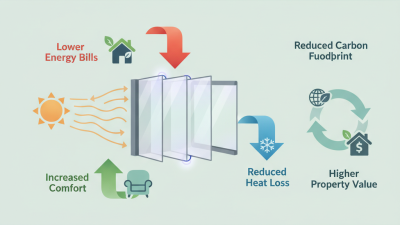
Are you considering a home upgrade? Selecting affordable replacement windows can significantly enhance your property's value and energy efficiency. Industry studies indicate that window replacement projects can recoup up to 70% of their cost upon selling a home. This data shows the potential return on investment from selecting the right windows.
When exploring affordable replacement windows, it's essential to evaluate material, style, and energy ratings. Vinyl windows, for instance, offer low maintenance and energy efficiency at a reasonable price. Over 50% of homeowners now prefer vinyl for these reasons. However, it's crucial to reflect on how styles like wood and aluminum might better complement your home’s aesthetic.
While the market offers numerous choices, not every option may fit your budget or needs. Research from the Department of Energy emphasizes that proper installation is just as vital as the product itself for maximizing efficiency. Don't overlook this aspect. As you navigate your choices, remember that affordability doesn’t always mean sacrificing quality. Careful consideration will lead to the best decision for your home.

Top Features to Look for in Affordable Replacement Windows
When choosing replacement windows, affordability is key, but so are essential features. Energy efficiency remains a crucial consideration. According to the U.S. Department of Energy, homeowners can save up to $465 per year on energy costs by selecting energy-efficient windows. Look for options with a high R-value, which indicate better insulation. Vinyl windows often have excellent thermal efficiency ratings, yet they can vary greatly in quality.
Durability also cannot be overlooked. Windows face harsh weather conditions, which means they must withstand wind, rain, and temperature fluctuations. A recent study highlighted that windows with fiberglass frames outperform wood and vinyl in long-term durability. However, choices can be difficult. Some low-cost options may not hold up over time, resulting in regret and higher future expenses.
Consider ease of maintenance, too. Windows with low-e coatings resist dirt buildup, reducing cleaning frequency. Homeowners often overlook this feature, leading to frustration later. A full understanding of warranties is necessary. Not all warranties cover accidental damage or degradation over time. Therefore, research is essential. Balancing cost with these features can be challenging but vital for making an informed decision.
Popular Affordable Window Materials and Their Benefits
When considering affordable window options, the material makes a significant difference. Vinyl windows are popular due to their low cost and durability. Reports indicate that they can last upwards of 20 years with proper maintenance. They resist fading, cracking, and require minimal upkeep. Unlike wood, vinyl doesn’t warp in moisture-rich environments. This can save homeowners from costly repairs.
Fiberglass is another option, albeit typically more expensive. However, its energy efficiency is noteworthy. Research shows that fiberglass windows can reduce energy bills by up to 15%. They offer excellent insulation, making them a smart choice in extreme climates. Yet, installation costs can be high. Not everyone can afford the upfront investment.
Wood windows bring aesthetic appeal, yet they require regular maintenance. They can be beautiful but may rot over time if not cared for properly. Many homeowners appreciate their classic look, but the upkeep can be burdensome. Finding the right balance between aesthetics and practicality remains a challenge. Your choice of window material impacts not just your home’s look, but also your financial future.
2026 Top Affordable Replacement Windows Options for Your Home
| Window Material |
Price per Window |
Energy Efficiency Rating |
Lifespan |
Maintenance Requirements |
| Vinyl |
$300 - $500 |
Energy Star Certified |
20-40 years |
Low |
| Fiberglass |
$400 - $700 |
High Efficiency |
30-50 years |
Minimal |
| Aluminum |
$300 - $600 |
Moderate |
20-30 years |
Regular |
| Wood |
$500 - $800 |
High Efficiency |
30-50 years |
High |
| Composite |
$400 - $700 |
Energy Star Certified |
25-35 years |
Low |
Cost Comparison: Vinyl, Wood, and Aluminum Replacement Windows
When considering replacement windows, the choice usually boils down to vinyl, wood, or aluminum. Each option has its own cost and unique characteristics. Vinyl windows tend to be the most affordable. They are low maintenance and energy-efficient. However, they may not offer the same aesthetic appeal as wood. Many homeowners find this a significant drawback.
Wood windows provide elegant designs and better insulation. Yet, they often come with a higher price tag. Maintenance can also be a concern, as wood needs regular upkeep to prevent decay. The upfront cost versus long-term benefits can lead to tough decisions for many families.
Aluminum windows offer a middle ground. They are sturdy and often less expensive than wood but can be more costly than vinyl. While they are resistant to rust and require little maintenance, they may not be as energy-efficient. The trade-offs can be overwhelming. It’s essential to weigh the pros and cons based on your budget and needs. Each type of window presents unique features that might appeal differently to various homeowners. Reflecting on these aspects can help you find the best fit for your home.
2026 Top Affordable Replacement Windows Options Cost Comparison
Energy Efficiency Ratings: Understanding the Impact on Your Bills
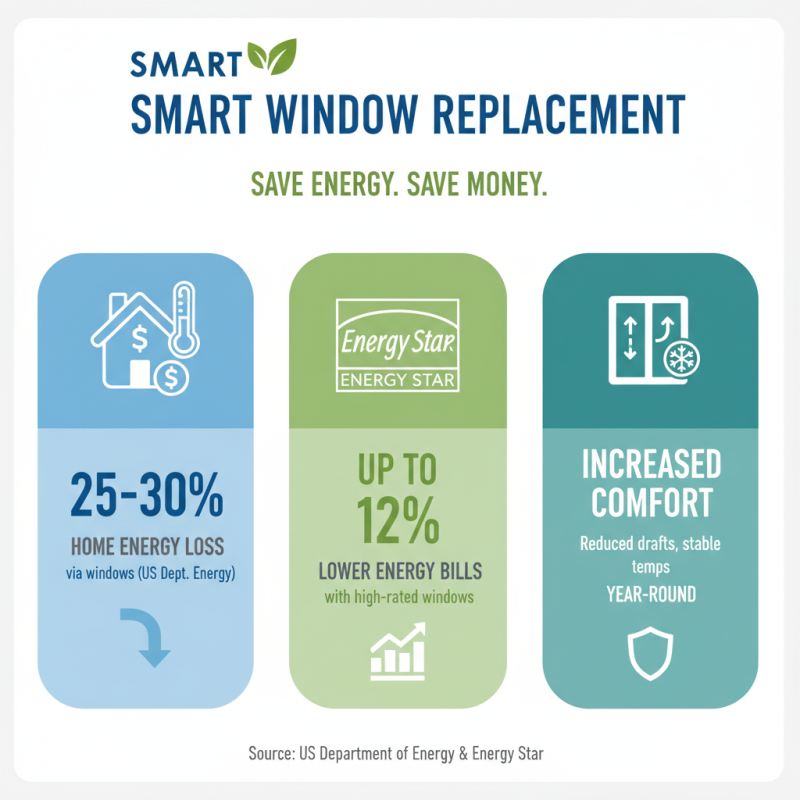
When considering replacement windows, energy efficiency is crucial. According to the U.S. Department of Energy, windows account for approximately 25% to 30% of residential heating and cooling costs. Selecting energy-efficient windows can significantly lower these expenses. For instance, choosing windows with a high Energy Star rating can reduce energy bills by up to 12%.
Understanding energy efficiency ratings involves checking the U-factor and Solar Heat Gain Coefficient (SHGC). The U-factor measures insulation and heat transfer effectiveness. Lower U-factor values mean better insulation. The SHGC indicates how much solar heat enters a home. Optimizing both can lead to actual savings. However, not all homes may benefit equally from high-rated windows.
Consider potential drawbacks. These efficient windows often come with higher upfront costs. Installing them may feel overwhelming. Not every option suits every climate. Some homeowners might face difficulty in selecting the right balance between initial investment and long-term savings. Evaluating your specific needs is essential to make the right choice. While energy-efficient windows promise savings, individual circumstances can alter their effectiveness.
Installation Tips for Choosing and Fitting Replacement Windows Yourself
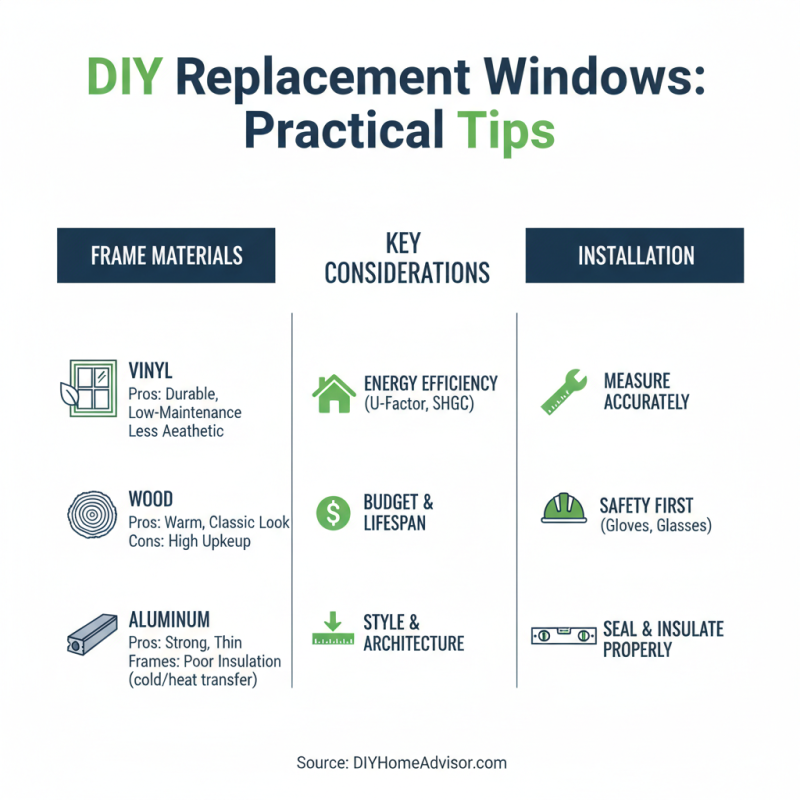
When selecting and installing replacement windows, DIY enthusiasts need practical tips. Choosing the right frame material is crucial. Vinyl, wood, and aluminum each have their pros and cons. Vinyl windows offer durability and low maintenance but can lack aesthetic appeal. Wood provides warmth but requires more upkeep.
Measure your window openings carefully. A tight fit is essential for energy efficiency. According to a study by the Department of Energy, a proper installation can reduce energy bills by up to 30%. Use a level and shims to ensure your windows are straight. This may take time, and sometimes, you must redo steps to get it right.
Don’t ignore weatherproofing. Sealants and caulk help keep the elements out. A study showed that homes without proper sealing can see energy losses of 10 to 20 percent. Be ready to encounter challenges. Windows might not fit as expected. It’s okay to ask for help if needed. Installing windows is a task worth considering, but it requires patience and precision.